
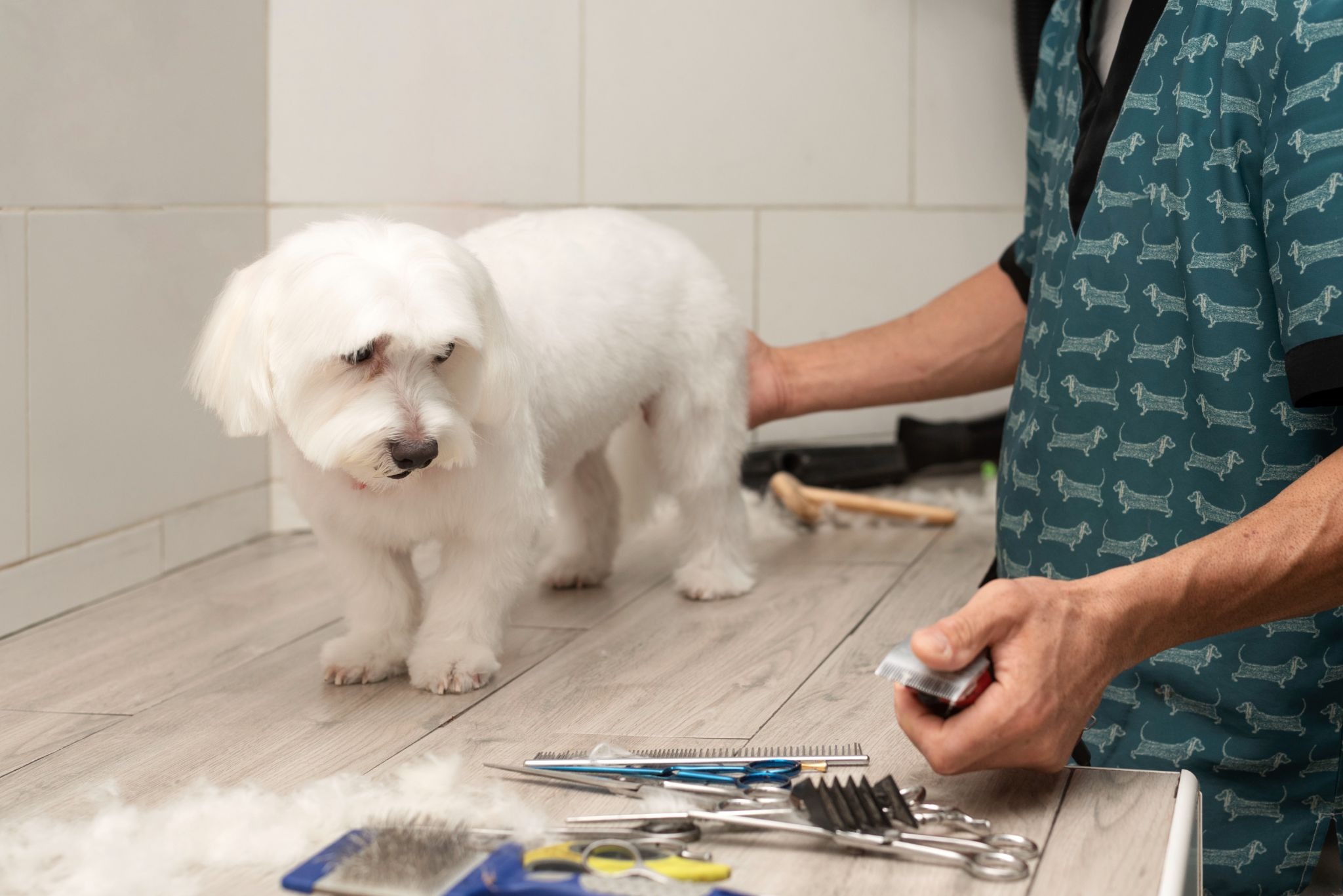
Healthy skin and a shiny coat are not just signs of beauty in pets. They are signs of good health. Many common issues in cats and dogs begin with the skin. Dryness. Itching. Infections. Excessive shedding. Hot spots. Parasites. The list is long.
This is where pet grooming tips become more than routine care. They become preventive health strategies.
When grooming is done correctly and consistently, it protects your pet from painful skin conditions and long-term coat damage. It also helps you detect early warning signs before they become serious.
Let’s explore how proper grooming actively prevents skin and coat problems in both cats and dogs.
Understanding Your Pet’s Skin and Coat
Before diving into prevention, it helps to understand how your pet’s skin works.
A dog or cat’s skin acts as a protective barrier. It shields against bacteria, parasites, and environmental irritants. The coat adds another layer of defense by trapping warmth and protecting from sun exposure.
Breeds like the Golden Retriever have thick double coats. Meanwhile, a Persian cat has long fur that easily tangles and traps debris. Different coat types require different grooming strategies. Ignoring those needs increases the risk of skin irritation and infection.
Healthy grooming supports the skin’s natural balance of oils and moisture.
1. Brushing Prevents Matting and Skin Infections
Matting is more than a cosmetic issue.
When fur becomes tangled and tightly knotted, it pulls on the skin. This causes pain and restricts airflow. Moisture gets trapped beneath mats, creating a perfect environment for bacterial or fungal infections.
Long-haired breeds such as the Maine Coon and the Poodle are especially prone to matting.
Regular brushing:
Removes loose fur Prevents knots Improves air circulation Distributes natural oils evenly
When oils spread properly, the coat remains shiny and skin stays hydrated.
Brushing also reduces excessive shedding. Loose hair that stays trapped can irritate the skin and worsen allergies.
2. Bathing Removes Irritants and Allergens
Pets are constantly exposed to environmental irritants.
Dust. Pollen. Dirt. Grass. Pollution.
These particles cling to the coat and eventually irritate the skin. If not removed, they may trigger itching or allergic reactions.
Bathing helps remove these irritants before they cause inflammation. However, overbathing is harmful. Excessive washing strips natural oils, leading to dryness and flakiness. This weakens the skin barrier.
Using pet-specific shampoos keeps the pH balance intact. Some medicated shampoos are specially formulated to treat fungal infections, hot spots, or dermatitis under veterinary guidance.
Balanced bathing prevents buildup while protecting skin health.
3. Grooming Helps Detect Parasites Early
Fleas and ticks are common causes of skin irritation.
During grooming sessions, you are more likely to notice:
Tiny black flea dirt Live fleas Tick attachments Red bite marks
Early detection allows quick treatment before infestations spread. Dogs with thick fur, such as the Cocker Spaniel, may hide parasites beneath their coat if not regularly groomed.
Routine brushing and inspection reduce the risk of severe itching, allergic reactions, and skin infections caused by parasites.
4. Nail and Paw Care Reduces Secondary Skin Damage
It may not seem directly related, but nail care also impacts skin health.
When pets have overgrown nails, they may scratch excessively due to discomfort. This scratching can break the skin and lead to infection.
Regular nail trimming reduces accidental wounds caused by scratching. Paw grooming is equally important. Dirt and debris trapped between paw pads can cause irritation. Moisture buildup may lead to fungal infections.
Cleaning and trimming paw hair helps prevent these issues.
5. Ear Cleaning Prevents Infection Spread
Ear infections often start from moisture and wax buildup.
If untreated, pets scratch their ears constantly. This repeated scratching can spread bacteria to nearby skin areas. Breeds like the Basset Hound have floppy ears that trap moisture more easily.
Routine ear cleaning prevents yeast and bacterial growth. Less irritation means less scratching. Less scratching means fewer skin wounds. Grooming creates a preventive chain reaction.
6. Grooming Supports Natural Oil Production
The skin produces natural oils that keep the coat smooth and hydrated.
If brushing is inconsistent, oils accumulate in certain areas and fail to distribute evenly. This causes greasy patches in some spots and dryness in others.
Proper brushing spreads oils evenly across the body.
Even distribution:
Reduces flakiness Prevents dull fur Minimizes breakage Strengthens the coat
Healthy oil balance also protects against environmental damage.
7. Reducing Hot Spots Through Proper Maintenance
Hot spots are painful, inflamed patches of skin. They develop quickly and worsen fast.
They often start from:
Moisture trapped in fur Allergic reactions Insect bites Constant licking
Regular grooming reduces moisture buildup and removes irritants that trigger hot spots. Keeping fur trimmed in high-risk areas improves airflow. Dry skin is less likely to develop infections.
Early detection during grooming allows immediate treatment before hot spots spread.
8. Seasonal Grooming Prevents Coat Stress
Shedding increases during seasonal changes.
If loose undercoat hair is not removed, it can tangle and trap heat. This causes discomfort and skin stress.
Double-coated breeds require extra brushing during shedding seasons.
Removing excess undercoat:
Prevents overheating Reduces itchiness Improves air circulation
Seasonal grooming adjustments maintain skin comfort throughout the year.
9. Grooming Strengthens the Human-Pet Bond
Stress affects skin health.
Pets that are anxious may lick or scratch excessively, leading to irritation.
Gentle grooming sessions reduce stress. Calm interaction builds trust. A relaxed pet is less likely to engage in stress-related overgrooming behaviors.
Healthy emotional states contribute to healthy skin.
10. Nutrition and Grooming Work Together
Grooming alone cannot fix skin problems if nutrition is poor.
A balanced diet rich in omega-3 fatty acids supports coat shine and skin hydration.
Grooming helps you assess whether the diet is working. If fur appears dull or flaky despite regular brushing, nutritional changes may be needed.
Prevention is always a combination of care practices.
Common Skin and Coat Problems Grooming Helps Prevent
Regular pet grooming tips help prevent:
Dry skin Dandruff Fungal infections Bacterial infections Hot spots Matting Excessive shedding Parasite infestations
Many of these issues begin small but escalate quickly.
Prevention is easier and less expensive than treatment.
FAQs
1. How often should I groom my pet to prevent skin problems?
Most pets benefit from brushing several times per week, with long-haired breeds requiring daily care. Bathing should be done every four to six weeks unless otherwise recommended by a veterinarian. Consistency is more important than frequency. Regular inspection during grooming allows early detection of skin irritation or infections before they worsen.
2. Can grooming completely prevent skin infections?
Grooming significantly reduces the risk of skin infections but cannot eliminate all causes. Factors like allergies, diet, and underlying medical conditions also play a role. However, consistent brushing, proper bathing, and routine inspection greatly decrease moisture buildup, matting, and parasite presence, which are common triggers of skin infections.
3. What are early signs of coat health problems?
Early signs include excessive shedding, dull or brittle fur, flaky skin, redness, itching, and unusual odor. You may also notice small bald patches or frequent scratching. Grooming helps identify these symptoms quickly. Early action prevents minor coat issues from turning into severe skin conditions that require medical treatment.
Final Thoughts
Pet grooming tips are not just about keeping your cat or dog looking presentable. They are powerful preventive tools that protect against skin infections, coat damage, and long-term discomfort. Simple habits like brushing, bathing correctly, trimming nails, and inspecting the skin create a protective barrier against many common problems pets face throughout their lives.
When grooming becomes consistent and mindful, it transforms from routine maintenance into preventive healthcare. It allows early detection, improves comfort, and strengthens your bond with your pet. Healthy skin and a shiny coat reflect proper care, balanced nutrition, and regular attention. Prevention truly begins with grooming.