
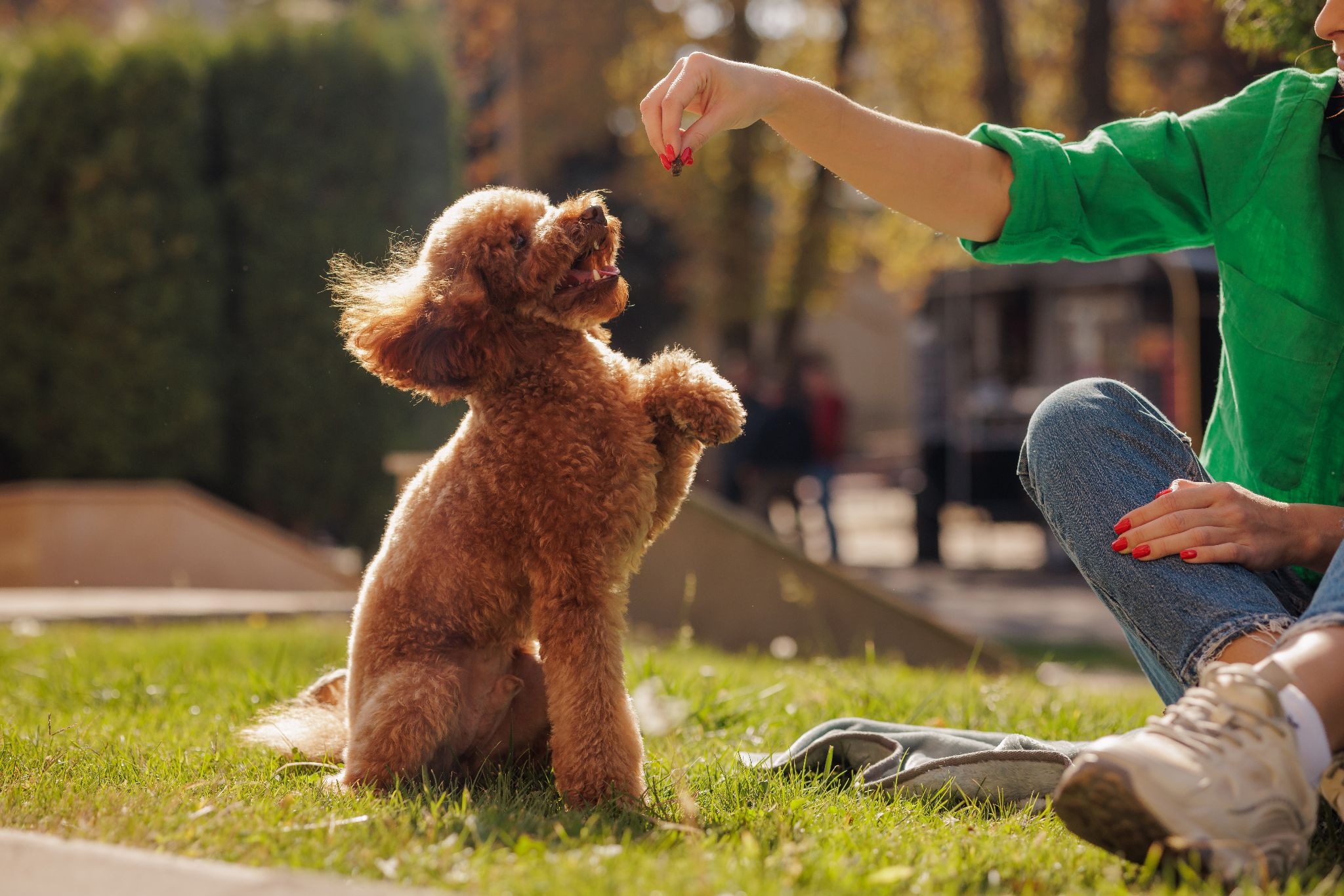
Bringing a new pet into your home feels exciting, emotional, and sometimes overwhelming. Many new owners focus on food, toys, and comfort, but overlook structure during the critical early weeks. That is where pet training basics make a measurable difference. Training is not about strict control or dominance. It is about communication, safety, and building predictable patterns that reduce anxiety. When pets understand what is expected, they relax faster and adapt more confidently. Early training shapes long-term behavior, preventing issues like aggression, destructive habits, and fear-based reactions. Without a clear plan, small unwanted behaviors can grow into bigger challenges over time. New owners often underestimate how quickly habits form, both good and bad. A strategic approach from day one builds trust and stability. When you treat training as a long-term investment rather than a quick fix, you create a balanced relationship that benefits both you and your pet for years.
Understanding Your Pet’s Natural Behavior Before Training
Effective pet training basics begin with observation, not commands. Every animal has instinctive behaviors shaped by species, breed, age, and temperament. Dogs may chew or chase because they are wired to explore and hunt. Cats may scratch to mark territory or stretch muscles. Small animals may hide when they feel unsure. These behaviors are not signs of disobedience; they are expressions of instinct in an environment that may not yet feel structured. When owners try to suppress these instincts without understanding them, frustration increases on both sides. Strategic training redirects natural drives instead of fighting them. Observe when your pet has the most energy, what motivates them, and what triggers hesitation or stress. Some pets respond strongly to food rewards, while others prefer play or praise. Age also affects attention span and impulse control. When you align your training methods with your pet’s natural tendencies, progress becomes smoother and far more sustainable.
Preparing Your Home for Successful Training
Your environment influences behavior more than repeated commands ever will. Before actively teaching cues, shape your home to support learning. Designate clear areas for sleeping, feeding, playing, and bathroom breaks. Physical structure reduces confusion and accelerates understanding. For example, consistent feeding spots build routine, while a designated rest area promotes calm behavior. Remove unnecessary distractions during early training sessions. Loud noises, clutter, or excessive foot traffic can easily overwhelm a young or newly adopted pet. Keep sessions short and controlled, ideally five to ten minutes at first. Choose simple tools such as a comfortable leash and high-value treats. You do not need complicated equipment to master pet training basics. Consistency among family members is equally important. If one person allows behaviors that another discourages, the pet receives mixed signals. Unified rules create clarity. Clarity builds confidence. A structured environment turns daily interactions into continuous learning opportunities without overwhelming your pet.
Building Trust as the Foundation of Pet Training Basics
Trust is the invisible structure behind all successful training. Without trust, obedience becomes fragile and temporary. Pets must feel safe before they can focus on learning. Your tone, posture, and emotional state directly influence their sense of security. Calm body language and steady voice cues create reassurance. Avoid looming over your pet or using harsh corrections, especially during early sessions. Fear may produce short-term compliance, but it often damages long-term confidence. Predictable routines strengthen trust further. Feeding, walks, and play sessions at consistent times help regulate your pet’s expectations. When life feels predictable, anxiety decreases and focus improves. Watch for subtle stress signals such as lip licking, yawning, or avoidance behaviors. These signs indicate that training intensity may be too high. Adjust the pace when needed. Pet training basics are not about rushing results. They are about building a stable emotional foundation that supports reliable behavior as your pet matures.
Core Commands Every Pet Should Learn
Foundational commands create structure and safety in everyday life. Simple cues like sit, stay, come, down, and leave it form the backbone of pet training basics. These commands are practical tools rather than performance tricks. “Sit” teaches impulse control. “Stay” builds patience. “Come” protects your pet in potentially dangerous situations. Begin by teaching one command at a time to avoid cognitive overload. Use clear verbal cues paired with consistent hand signals to strengthen understanding. Reward immediately when the correct behavior occurs. Timing matters more than repetition. A delayed reward can confuse the learning process and weaken associations. Keep sessions short and end on a positive note to maintain motivation. Gradually increase difficulty by adding mild distractions or extending duration. Do not rush progression. Reliable obedience develops through layered practice. When foundational commands are reinforced consistently, they become automatic responses that support safety, confidence, and smoother daily interactions between you and your pet.
House Training Without Frustration
House training is often the first major challenge new owners face. Success depends more on management than correction. Establish a consistent bathroom schedule aligned with feeding times, naps, and play sessions. Young pets have limited bladder control, so frequent breaks are essential during early weeks. Praise and reward immediately after successful elimination in the correct location. This clear timing strengthens the connection between behavior and outcome. Accidents should be handled calmly without punishment. Harsh reactions can create anxiety and lead to hidden accidents later. Clean soiled areas thoroughly to remove scent markers that might trigger repeat behavior. Tracking patterns helps identify predictable elimination times. Over time, gradual increases in freedom reinforce reliability. Pet training basics emphasize prevention over reaction. Structured routines, supervision, and patience reduce frustration for both owner and pet. When house training is approached strategically instead of emotionally, progress becomes steady and setbacks become manageable rather than discouraging.
Socialization as a Critical Training Phase
Socialization is not casual exposure. It is structured, positive introduction to new experiences. During early developmental stages, pets form lasting associations with environments, sounds, people, and other animals. Poorly managed exposure can create fear responses that persist into adulthood. Begin with low-intensity situations and gradually increase complexity. Allow your pet to observe before engaging. Reward calm curiosity and relaxed body language. Avoid forcing interaction if hesitation appears. Pet training basics include teaching confidence, not just obedience. Controlled introductions to visitors, varied walking routes, and different surfaces build adaptability. Balance exposure with rest to prevent overstimulation. Many behavioral problems, including aggression and anxiety, stem from inadequate socialization rather than stubbornness. Strategic planning during this phase reduces future corrective work. A well-socialized pet handles change with resilience. By investing effort early, you build emotional stability that supports lifelong learning and smoother integration into diverse real-world environments.
Managing Common Behavioral Challenges
Unwanted behaviors often emerge when basic needs are unmet or communication is unclear. Excessive barking, chewing, jumping, or separation anxiety typically signal boredom, stress, or inconsistent boundaries. Address the root cause rather than reacting to the symptom. Increase mental stimulation through interactive play and structured tasks. Reinforce calm greetings instead of rewarding excited jumping with attention. Provide appropriate chew outlets to redirect destructive tendencies. Consistency remains central to pet training basics. Mixed responses create confusion and prolong unwanted patterns. When dealing with separation anxiety, gradual desensitization works better than abrupt departures. Short absences followed by calm returns teach security. Avoid dramatic greetings that reinforce emotional spikes. Advanced challenges require patience and structured repetition. Behavioral improvement rarely happens overnight. Strategic observation, proactive management, and steady reinforcement create measurable progress. When owners respond thoughtfully instead of emotionally, behavioral challenges become training opportunities rather than ongoing sources of stress.
The Role of Consistency and Timing in Training Success
Consistency transforms isolated lessons into permanent habits. Pets learn through repetition and predictable consequences. If a behavior is rewarded sometimes and ignored at other times, confusion develops. Clear boundaries must remain stable across situations and household members. Timing also determines effectiveness. Reinforcement should occur immediately after the desired action. Even a delay of a few seconds can weaken the learning connection. As behaviors strengthen, gradually shift from constant rewards to intermittent reinforcement. This technique increases reliability and resilience. Pet training basics rely heavily on this progression. Adapt training as your pet matures. Puppies and young animals require frequent guidance, while adult pets benefit from refinement and proofing in distracting environments. Maintain short refresh sessions to preserve reliability. Training is not a phase that ends after early success. It is an evolving process that adjusts to growth, environment changes, and shifting behavioral needs throughout your pet’s life.
Nutrition, Exercise, and Mental Stimulation
Behavior and health are closely connected. Insufficient exercise or poor nutrition can undermine even the best training plan. High-energy pets require structured physical outlets to prevent restlessness. Daily walks, play sessions, and controlled exploration reduce destructive tendencies. Mental stimulation is equally important. Puzzle feeders, scent games, and training drills challenge cognitive skills and reduce boredom. Pet training basics extend beyond commands into overall lifestyle management. Balanced nutrition supports stable energy levels and improved focus during sessions. Overfeeding or inconsistent feeding schedules can lead to lethargy or hyperactivity. Tailor exercise intensity to age and breed characteristics. Young pets need safe outlets for excess energy, while older pets benefit from moderate but consistent movement. When physical and mental needs are met, behavioral compliance improves naturally. A well-exercised, mentally engaged pet learns faster and responds more reliably, creating a harmonious household dynamic grounded in structure and healthy routines.
Conclusion
Mastering pet training basics requires patience, observation, and consistency. Early investment in structured routines, clear communication, and trust-building pays off exponentially over time. New owners who understand their pet’s natural behavior, prepare a supportive environment, and implement short, focused training sessions create a strong foundation for lifelong learning. Core commands, house training, socialization, and managing common behavioral challenges all benefit from predictable patterns, immediate reinforcement, and gradual skill expansion. Incorporating mental stimulation, exercise, and proper nutrition further strengthens behavioral outcomes. Long-term training is not a one-time effort but an evolving process that grows with your pet. By avoiding punishment-based approaches, focusing on positive reinforcement, and adapting strategies to your pet’s temperament and age, owners foster confidence, obedience, and a deep human-animal bond. Ultimately, embracing pet training as a strategic, ongoing practice transforms everyday challenges into opportunities for trust, safety, and a harmonious household.