
Bringing a cat into your life feels magical. The soft purr. The curious eyes. The quiet companionship. But behind that warmth lies responsibility. For new cat owners, especially those managing a small home cattery or planning one, understanding essential cattery care tips is not optional. It is the foundation of long-term feline health and emotional stability.
A cattery is more than a room with bowls and beds. It is a controlled environment. It shapes behavior, immunity, stress levels, and social patterns. Poor management leads to infections, aggression, and anxiety. Proper care builds trust, resilience, and harmony. If you are serious about raising healthy cats, you must approach cattery care like a professional. Thoughtful planning, consistent routines, and informed decisions make the difference between chaos and calm.
Building a Safe and Comfortable Cattery Environment
The environment defines everything. Cats are territorial, sensitive to noise, and deeply influenced by smell and spatial structure. A poorly designed cattery increases stress hormones. Chronic stress weakens immunity and shortens lifespan. A well-designed space reduces disease transmission and promotes natural behaviors.
A proper cattery does not need to be large, but it must be intentional. Zoning is critical. Sleeping areas must be separate from feeding zones. Litter areas must be far from both. Cats instinctively avoid eliminating near food sources. Ignoring this basic behavioral fact creates tension.
Space Planning and Layout
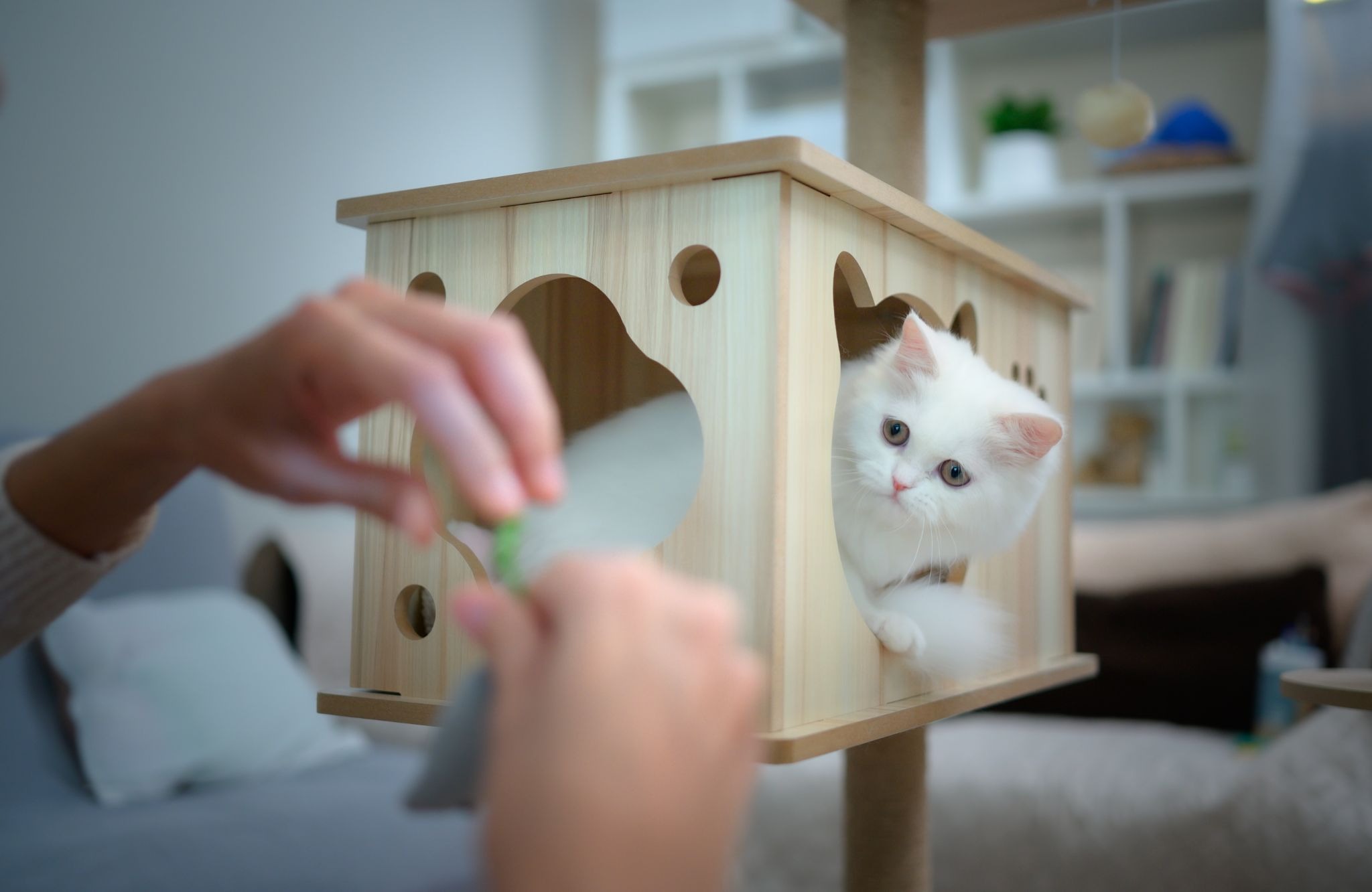
Cats require vertical territory as much as horizontal floor space. Shelving, cat trees, and wall-mounted perches give them psychological security. Height allows observation. Observation creates confidence. In multi-cat environments, vertical escape routes prevent conflict.
Each cat should have access to a private resting space. Shared sleeping areas can work, but forced sharing often triggers subtle stress. Elevated beds with soft washable padding are ideal. Avoid placing beds directly under air vents or near loud appliances. Noise pollution matters more than most new owners realize.
Expert breeders recommend maintaining a minimum of 18–20 square feet per cat in shared cattery settings. More space reduces dominance struggles. If space is limited, vertical expansion becomes even more important.
Ventilation, Lighting, and Temperature Control
Ventilation prevents respiratory infections. Stagnant air encourages bacterial growth and ammonia buildup from litter boxes. Fresh airflow lowers disease risk dramatically. However, avoid direct drafts. Draft exposure can lead to upper respiratory irritation. Ideal temperatures range between 18°C and 24°C. Kittens and senior cats require slightly warmer environments. Sudden temperature shifts stress the immune system. Lighting influences circadian rhythm. Natural daylight is best. If artificial lighting is used, maintain consistent cycles. Abrupt changes disrupt sleep patterns and feeding behavior.
Nutrition and Feeding Management for Healthy Cats
Food is not just fuel. It is preventive medicine. Balanced nutrition strengthens immunity, supports coat health, and stabilizes energy levels. In cattery environments, improper feeding management quickly leads to obesity or malnutrition.
High-quality protein must form the core of the diet. Cats are obligate carnivores. Plant-heavy formulas compromise muscle mass and digestive efficiency. When selecting food, examine ingredient lists carefully. Meat should be the first listed ingredient. Avoid excessive fillers like corn or wheat.
Selecting Quality Cat Food
Wet food supports hydration. Dry food supports dental scraping action. Many experienced cattery managers combine both strategically. However, portion control is critical. Overfeeding is one of the most common mistakes among new owners. Life stage matters. Kittens require calorie-dense formulas rich in DHA for brain development. Adult cats need balanced maintenance diets. Senior cats may require kidney-support formulas with controlled phosphorus levels. Expert advice suggests rotating protein sources occasionally to reduce sensitivity risks, but transitions must be gradual. Sudden diet shifts cause digestive upset and diarrhea.
Establishing Feeding Schedules
Cats thrive on routine. Feed at the same times daily. This reduces anxiety and begging behaviors. Kittens may need three to four meals per day. Adults typically do well on two measured meals. Free feeding in multi-cat catteries often leads to dominance-based overeating. Timed feeding allows monitoring of appetite. A sudden drop in appetite is often the first sign of illness. Observing feeding behavior daily is a powerful preventive tool. Fresh water must be available at all times. Many cats prefer moving water. Water fountains can encourage increased intake and reduce urinary tract issues.
Hygiene Standards Every New Cattery Owner Must Follow
Cleanliness is non-negotiable. Disease spreads rapidly in shared environments. Even indoor-only cats can develop infections if sanitation is poor. Hygiene is one of the most critical essential cattery care tips to master early. Litter management, surface disinfection, and grooming hygiene work together to maintain health. Ignoring one weakens the entire system.
Litter Box Management
The general rule is one litter box per cat plus one extra. In a three-cat cattery, four boxes are ideal. This reduces territorial elimination. Boxes must be cleaned at least once daily. In professional setups, twice daily is recommended. Completely replace litter and disinfect boxes weekly. Use unscented litter. Strong fragrances may deter sensitive cats. Placement matters. Keep litter boxes in quiet areas. Avoid high-traffic zones. Cats need privacy.
Cleaning and Disinfecting Living Areas
Daily spot cleaning prevents bacterial buildup. Weekly deep cleaning is essential. Use pet-safe disinfectants. Harsh chemicals leave toxic residues and irritate respiratory systems. Wash bedding weekly in hot water. Clean feeding bowls daily. Stainless steel bowls are preferable. Plastic retains bacteria in micro-scratches over time. Experts also advise maintaining a cleaning log in larger catteries. Consistency prevents oversight.
Routine Health Monitoring and Preventive Care
Early detection saves lives. Cats hide illness instinctively. By the time symptoms appear, the issue may be advanced. Observing subtle changes is crucial. Monitor weight monthly. Unexplained weight loss requires immediate veterinary evaluation. Check coat condition regularly. A dull coat often signals nutritional imbalance or stress.
Vaccination and Deworming Schedules
Core vaccines typically protect against feline panleukopenia, calicivirus, and herpesvirus. Rabies vaccination may be legally required depending on location. Consult a licensed veterinarian to establish a schedule. Deworming frequency depends on exposure risk. Even indoor cats benefit from periodic parasite control. Flea prevention remains important in shared environments. Keep detailed medical records. Track vaccine dates, treatments, and health observations. Documentation helps veterinarians detect patterns.
Recognizing Signs of Stress or Illness
Common early warning signs include decreased appetite, hiding, excessive grooming, sudden aggression, or litter box avoidance. Subtle behavioral shifts often appear before physical symptoms. Stress can weaken immunity. In multi-cat environments, unresolved tension triggers chronic illness. Address conflicts promptly.
Socialization and Enrichment Strategies
A bored cat becomes destructive or withdrawn. Mental stimulation is not luxury. It is a necessity. Enrichment strengthens cognitive health and emotional resilience. Interactive toys encourage natural hunting behavior. Puzzle feeders provide mental challenge. Rotating toys prevents boredom. Structured play sessions deepen human-cat bonds. Ten to fifteen minutes twice daily can significantly reduce behavioral issues. In shared catteries, observe group dynamics carefully. Not all cats enjoy constant social interaction. Provide retreat spaces. Respect individual personalities. Experts emphasize early socialization for kittens. Gentle exposure to different sounds, textures, and controlled human interaction builds confident adult cats.
Grooming and Coat Maintenance Essentials
Grooming is health care. It is not just cosmetic. Regular brushing removes loose hair and prevents painful matting. It reduces hairball formation. Long-haired breeds require daily brushing. Short-haired cats benefit from weekly sessions. Grooming sessions also allow physical inspection for lumps, parasites, or injuries.
Brushing Techniques
Use appropriate tools. Slicker brushes work well for long coats. Rubber grooming gloves suit short-haired cats. Always brush gently in the direction of hair growth. Introduce grooming gradually. Positive reinforcement builds cooperation.
Nail, Ear, and Dental Care
Trim nails every two to four weeks. Overgrown nails cause posture issues. Check ears weekly. Healthy ears appear pale pink and odorless. Dark discharge indicates infection. Dental hygiene is often neglected. Periodontal disease affects a large percentage of adult cats. Brushing teeth several times per week dramatically reduces long-term health costs.
Managing Multiple Cats in a Cattery
Multi-cat environments require advanced observation skills. Cats establish hierarchies. Forced introductions create trauma. When introducing a new cat, begin with scent exchange. Swap bedding before physical meetings. Allow gradual visual contact. Rushing this process leads to aggression. Provide separate feeding stations. Resource guarding is common. Ensure multiple water sources. If tension arises, increase vertical space and private retreats. Experts suggest using pheromone diffusers to reduce anxiety during transitions.
Conclusion
Cattery care is not about aesthetics. It is about protection, structure, and emotional safety. These essential cattery care tips form a framework that supports healthy growth and peaceful coexistence. When you invest in proper housing, hygiene, nutrition, and monitoring, you prevent suffering before it begins. Cats thrive on predictability. They flourish in clean, calm environments. With informed decisions and consistent effort, even new cat owners can create professional-level care systems. The reward is immeasurable. A healthy cat is not just a pet. It is a companion who trusts you completely.