
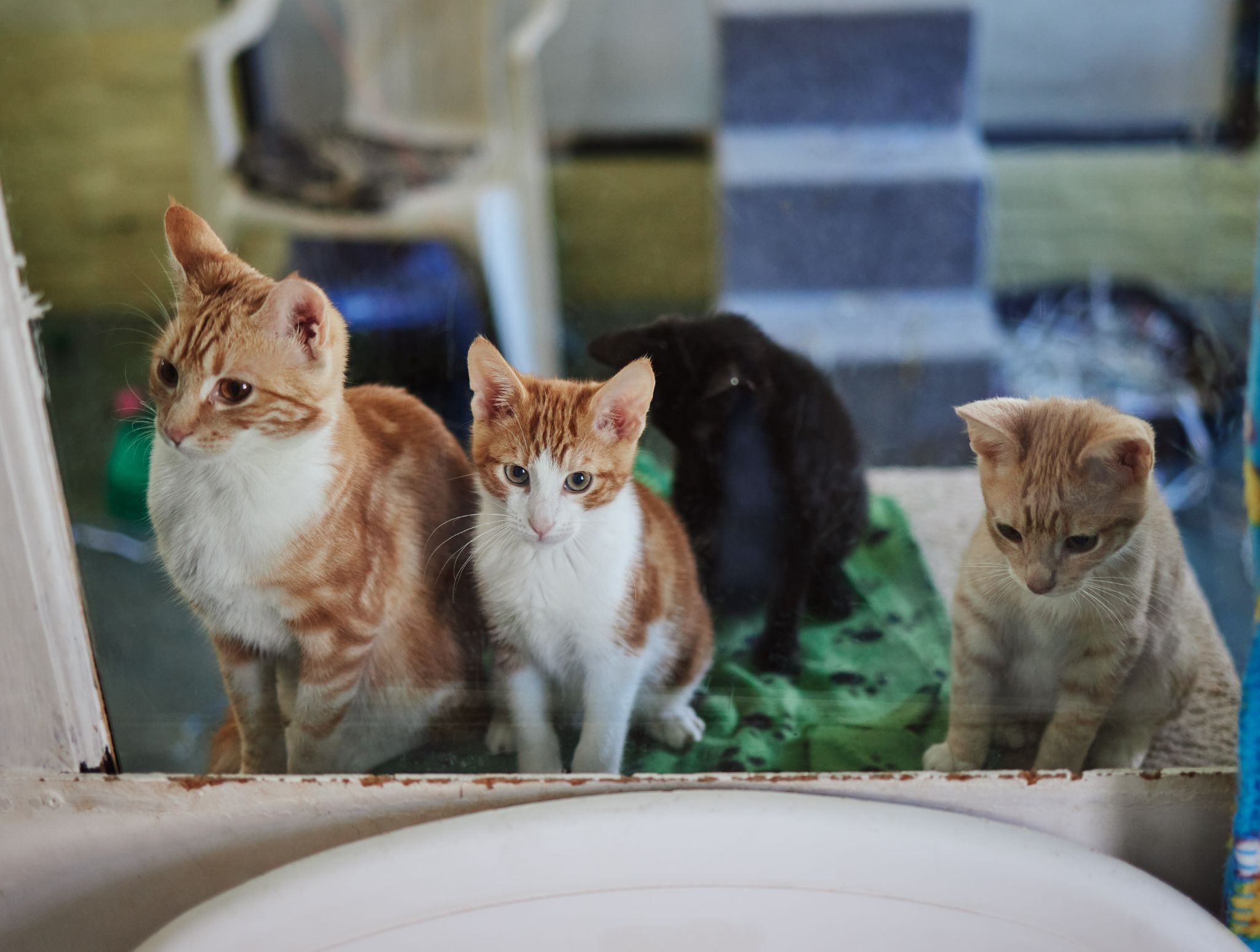
A cat’s health is not built in a single vet visit. It is shaped quietly every day. In the way the environment is maintained. In the consistency of feeding. In the quality of rest. In the emotional tone of the space. Many cat owners underestimate how powerful structured care can be. Yet the reality is simple. Thoughtful cattery management directly influences immunity, stress levels, disease prevention, and even lifespan. When people talk about cattery care health benefits, they often focus on cleanliness alone. Hygiene matters, but it is only one piece of a larger system. True well-being combines sanitation, nutrition, mental stimulation, environmental stability, and proactive health monitoring. When these elements work together, cats thrive physically and emotionally. A well-managed cattery is not restrictive. It is protective. It offers safety without isolation. It provides structure without stress. The result is a healthier, calmer, more resilient cat.
The Science Behind Feline Health in Controlled Environments
Cats are highly sensitive creatures. They respond quickly to changes in sound, smell, temperature, and routine. In uncontrolled environments, these constant changes elevate stress hormones. Chronic stress suppresses immune function. It increases vulnerability to infections and digestive issues. Controlled environments, when designed correctly, reduce unnecessary stimulation. They create predictable routines. This predictability stabilizes cortisol levels. Lower cortisol strengthens immune response. This is one of the most significant cattery care health benefits. Research in veterinary behavioral science shows that cats living in structured environments experience fewer stress-related illnesses. They show better appetite regulation and improved grooming habits. The connection between mental stability and physical health is profound.
Stress Reduction and Immune System Strength
Stress in cats is often invisible. A slight reduction in appetite. A subtle shift in hiding behavior. Over time, chronic stress can lead to urinary tract problems, weakened immunity, and behavioral aggression. A well-organized cattery minimizes these triggers. Consistent feeding schedules, quiet resting areas, and stable lighting patterns promote emotional balance. Emotional balance protects immune strength. Experts recommend maintaining routine above all else. Feed at the same time daily. Clean at consistent intervals. Avoid sudden rearrangement of furniture or sleeping zones. Predictability reassures cats at a biological level.
Disease Prevention Through Proactive Management
Controlled cattery environments limit exposure to external pathogens. Outdoor cats face unpredictable viral and parasitic threats. While indoor settings are not immune to risk, structured hygiene protocols significantly reduce transmission.
Proactive observation also improves early detection. In a cattery, owners observe daily habits closely. A change in litter box frequency or grooming behavior is noticed quickly. Early intervention prevents minor concerns from becoming serious conditions.
Hygiene Protocols That Protect Long-Term Health
Cleanliness is foundational. Yet hygiene is not simply about removing visible dirt. It is about controlling bacteria, reducing ammonia buildup, and maintaining safe air quality. Poor sanitation increases respiratory infections and gastrointestinal issues. Cats have sensitive airways. Strong chemical odors or accumulated waste can irritate lungs and eyes.
Daily litter scooping prevents bacterial growth and odor accumulation.
Weekly deep cleaning of surfaces eliminates hidden contaminants.
Regular washing of bedding reduces parasite risk and skin irritation.
Each practice contributes directly to measurable cattery care health benefits.
Litter Management and Urinary Health
Litter boxes reveal more about health than most owners realize. Urinary tract infections, kidney issues, and digestive disorders often first appear through changes in elimination patterns. Clean litter encourages consistent use. Dirty boxes cause stress and inappropriate elimination. This leads to behavioral issues and delayed medical diagnosis. Experts advise one litter box per cat plus one extra. Placement should ensure privacy and quiet. Monitoring litter habits daily allows early detection of straining, blood presence, or frequency changes.
Surface Cleaning and Air Quality Control
Ventilation is as critical as visible cleanliness. Fresh airflow reduces airborne pathogens and ammonia concentration. However, drafts should be avoided. Cats are sensitive to cold air exposure. Use pet-safe disinfectants. Harsh chemicals may leave residues that irritate paws and respiratory systems. Gentle but effective products maintain balance. Maintaining moderate humidity also supports respiratory health. Extremely dry air can increase irritation, especially in kittens and senior cats.
Nutritional Management in a Cattery Setting
Nutrition shapes internal health. Balanced feeding strengthens organs, muscles, and immune response. In cattery settings, structured feeding allows precise monitoring of appetite and weight. Random feeding often leads to obesity or nutrient imbalance. Controlled portions protect metabolic stability.
Measured meals prevent overfeeding and weight gain.
Life-stage specific diets ensure proper nutrient balance.
Regular weight checks support early intervention.
These practices form core cattery care health benefits by preventing chronic disease development.
Balanced Diets for Different Life Stages
Kittens require higher protein and fat content for growth. Adults need maintenance-level nutrients. Senior cats often benefit from kidney-support formulations with adjusted phosphorus levels. Ignoring life-stage differences strains internal organs. Tailored nutrition reduces long-term complications. Veterinary nutritionists emphasize protein quality over quantity. Animal-based protein supports lean muscle mass and stable energy. Avoid excessive fillers that contribute to obesity without nutritional benefit.
Hydration and Kidney Health
Kidney disease is common in aging cats. Hydration plays a preventive role. Wet food increases moisture intake naturally. Fresh water should always be accessible. Some cats drink more from fountains due to movement stimulation. Increased water consumption supports urinary tract health and toxin filtration. Monitoring water intake can also signal early disease. Excessive thirst may indicate metabolic imbalance.
Mental Stimulation and Behavioral Wellness
Mental health directly impacts physical health. Boredom creates anxiety. Anxiety triggers immune suppression. Structured enrichment combats this cycle. Interactive play encourages natural hunting instincts. It reduces aggression and improves muscle tone. Cognitive stimulation through puzzle feeders strengthens brain function.
Rotating toys prevents monotony.
Scheduled play sessions deepen bonding.
Providing vertical climbing spaces enhances physical fitness.
Emotional engagement produces measurable cattery care health benefits by reducing stress-related illness. Experts advise at least two structured play sessions daily in multi-cat environments. Even ten focused minutes can transform behavior patterns.
The Role of Routine Health Monitoring
Routine observation is one of the most overlooked yet powerful tools in preventive care. Daily checks of coat condition, appetite, and energy levels provide valuable data. Weight tracking once a month detects subtle changes. Gradual weight loss may signal thyroid imbalance. Sudden weight gain may indicate dietary mismanagement. Vaccination schedules must remain consistent. Parasite prevention protects against hidden internal damage.
Early Detection of Illness
Behavior often changes before visible symptoms appear. A normally social cat may isolate. A playful kitten may become lethargic. Monitoring these signals allows immediate veterinary consultation. Early diagnosis reduces treatment cost and improves recovery outcomes. Experts stress maintaining calm observation rather than panic. Small deviations matter when noticed early.
Record-Keeping for Preventive Care
Maintaining written health records enhances long-term tracking. Document feeding adjustments, medical treatments, and behavioral shifts. Patterns emerge over time. Recurring digestive issues may indicate food intolerance. Seasonal respiratory symptoms may suggest environmental triggers. Structured documentation transforms reactive care into preventive management.
Space Design and Its Influence on Physical Health
Physical movement supports muscle tone and joint flexibility. Vertical climbing areas encourage natural stretching and exercise. Sedentary cats develop obesity and arthritis earlier. Private resting zones improve sleep quality. Deep sleep strengthens immune recovery and hormonal balance.
Temperature and Comfort Regulation
Maintaining indoor temperatures between 18°C and 24°C supports metabolic stability. Kittens and seniors may require slightly warmer conditions. Heat stress can cause dehydration and lethargy. Excess cold weakens immunity. Stable climate control preserves comfort and resilience. Experts recommend avoiding direct sunlight exposure for extended periods while ensuring access to natural daylight cycles.
Social Dynamics and Emotional Balance
In multi-cat environments, social structure determines harmony. Poorly managed introductions increase chronic stress. Gradual introductions protect emotional safety.
Provide multiple feeding and resting areas to reduce competition. Observe interactions without constant interference. Cats establish hierarchy naturally when resources are sufficient.
Separate initial scent exchange before physical meetings.
Increase vertical territory to reduce confrontations.
Monitor subtle tension signs such as tail flicking or avoidance.
Balanced social environments enhance emotional security and contribute significantly to cattery care health benefits.
Long-Term Longevity Benefits of Structured Cattery Care
Preventive routines extend lifespan. Regular hygiene reduces infection risk. Balanced nutrition supports organ longevity. Emotional stability protects immunity. Structured cattery management also reduces long-term veterinary expenses. Early detection lowers treatment intensity. Preventive care is always more cost-effective than emergency intervention. Beyond physical metrics lies trust. Cats raised in stable environments form secure attachments. They exhibit confidence and social ease. Emotional well-being becomes visible in daily behavior. When cattery care is practiced consistently, health becomes sustainable rather than reactive.
Conclusion
Cattery care is not about restriction. It is about protection and structure. It is about understanding that small daily habits accumulate into lifelong outcomes. The true cattery care health benefits appear gradually. Stronger immunity. Lower stress. Fewer medical emergencies. Longer, happier lives. Cats cannot communicate discomfort in words. They rely on our awareness. When owners implement science-based routines, they create environments that nurture resilience and calm. Health is not luck. It is management. With consistency, observation, and compassion, every cattery can become a foundation for thriving feline well-being.