
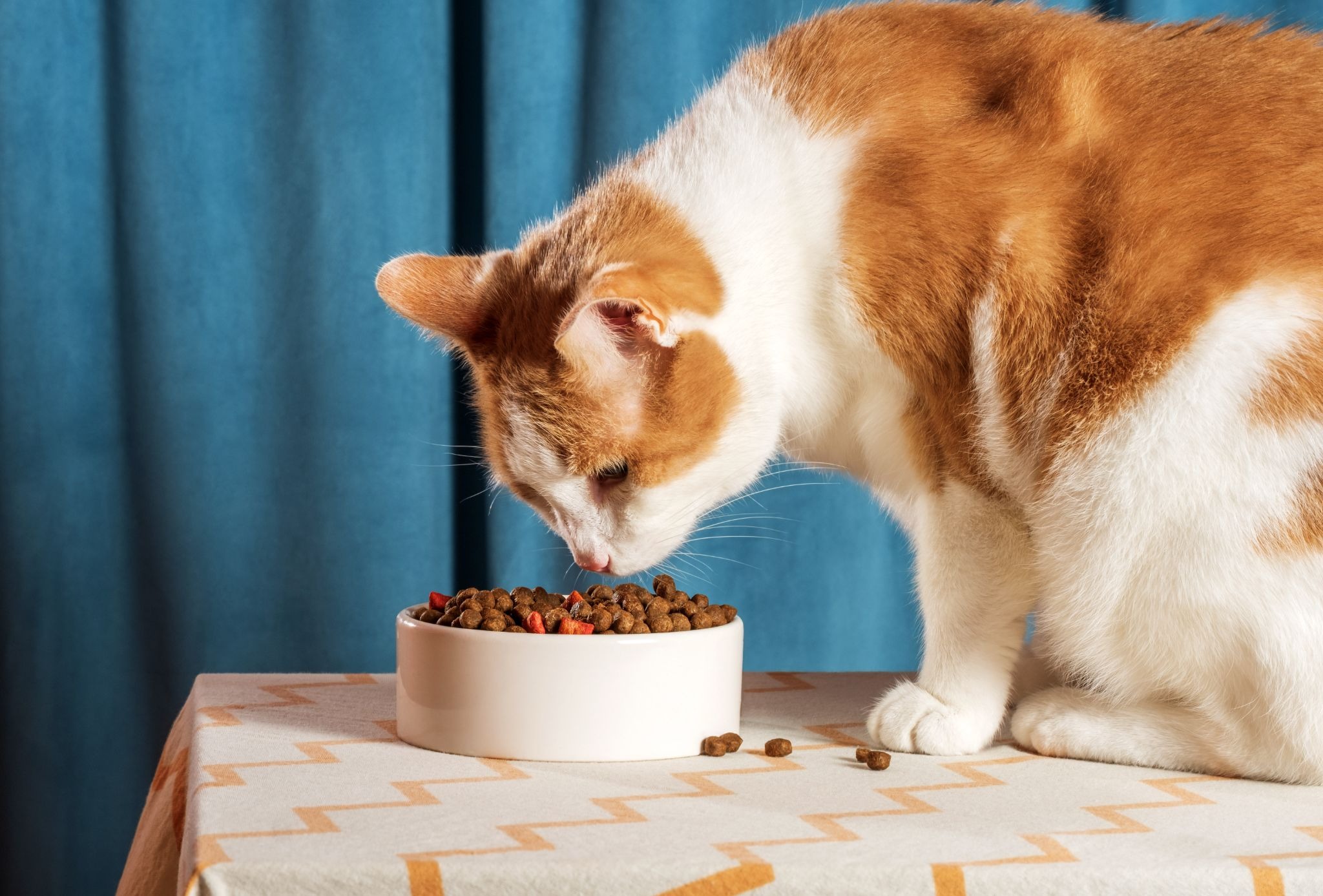
Cat nutrition obesity prevention is not just a trendy phrase thrown around at vet clinics. It is one of the most practical and effective ways to help your cat live a longer, healthier life. This guide breaks down the science behind feline weight gain, how to calculate what your cat actually needs, and which feeding habits make the biggest difference over time.
The Feline Obesity Epidemic and Why It Deserves Attention
Current Prevalence Statistics and Trends
Studies from veterinary associations in the United States and Canada consistently show that between 54 and 63 percent of cats seen in clinical settings carry excess body weight. Indoor cats are especially vulnerable because they tend to move far less than their outdoor counterparts while still consuming the same calories.
How Excess Weight Silently Damages Organ Systems
What many cat owners do not realize is that fat tissue in cats is not passive. It is metabolically active and releases inflammatory molecules that interfere with insulin sensitivity, strain the liver, and wear down joint cartilage over time. A cat carrying even two extra pounds is dealing with a significantly increased risk of developing diabetes, hepatic lipidosis, arthritis, and urinary tract disease.
Decoding Feline Nutritional Science
Obligate Carnivore Metabolism and What It Actually Means
Cats are obligate carnivores, which means their bodies are biologically built to run on animal protein, not grains or starchy carbohydrates. Unlike dogs or humans, cats lack meaningful levels of glucokinase, an enzyme that helps process high-carbohydrate foods efficiently. When cats eat diets loaded with fillers like corn, rice, or potato starch, their bodies struggle to manage the glucose load, which over time promotes fat storage and metabolic dysfunction.
Macronutrient Ratios That Support a Healthy Weight
A cat’s ideal diet is high in protein, moderate in fat, and very low in digestible carbohydrates. When reading pet food labels, look past the marketing claims on the front of the bag and focus on the guaranteed analysis panel. Protein should be the first ingredient and should come from a named animal source such as chicken, turkey, or salmon. Carbohydrate content is rarely listed directly, but you can estimate it by subtracting the protein, fat, fiber, moisture, and ash percentages from 100.
Micronutrients Often Overlooked in Commercial Diets
Taurine, arachidonic acid, preformed Vitamin A, and niacin are nutrients cats cannot synthesize adequately on their own and must obtain through diet. When these are deficient, cats may compensate by eating more in an attempt to meet their nutritional needs, even when they are already consuming plenty of calories.
Identifying and Calculating Your Cat’s True Caloric Needs
Body Condition Score: The Hands-On Assessment Tool
The Body Condition Score, or BCS, is a nine-point scale that veterinarians use to evaluate a cat’s fat coverage and muscle mass. A score of four or five is considered ideal. At that range, you should be able to feel your cat’s ribs with light pressure but not see them prominently. A score of six or seven means there is a noticeable fat pad over the ribs and a rounded belly, which signals it is time to rethink feeding habits.
Resting Energy Requirement and Daily Caloric Calculation
The Resting Energy Requirement, or RER, gives you a baseline for how many calories your cat needs just to maintain basic bodily functions at rest. The formula is 70 multiplied by your cat’s body weight in kilograms raised to the power of 0.75. From there, you apply a life-stage multiplier.
Why Packaging Guidelines Are Often Misleading
Feeding guidelines printed on pet food bags are notoriously generous. Manufacturers set them to cover a broad range of cats, and there is a financial incentive to recommend more food rather than less. Caloric density also varies widely between formulas, even within the same brand. A cup of one dry food might contain 300 calories while another contains 450.
Feeding Strategies That Actively Prevent Weight Gain
Meal Feeding vs. Free-Feeding: The Evidence
Free-feeding, which means leaving food out at all times, is consistently identified as the top behavioral driver of feline obesity. Cats are natural hunters who are wired to eat small, infrequent meals rather than graze continuously throughout the day. When food is always available, many cats eat out of habit or boredom rather than genuine hunger. Switching to structured meal feeding two to three times a day not only gives you precise control over portion sizes but also mirrors the natural hunting and fasting rhythm that a cat’s digestive system is built for.
Wet vs. Dry Food: Moisture, Satiety, and Caloric Density
Wet food tends to have a significantly lower caloric density per gram compared to dry food, largely because of its high moisture content. A cat eating wet food consumes fewer calories in the same volume, which promotes a feeling of fullness without overloading on energy. Beyond weight management, the extra moisture in wet food also supports urinary tract health, which is particularly important for male cats and those prone to crystal formation. Incorporating wet food, even partially, is one of the more practical steps in a well-rounded cat nutrition obesity prevention approach.
Puzzle Feeders and Environmental Enrichment as Metabolic Tools
Puzzle feeders slow down eating, which gives the brain enough time to register fullness before a cat overeats. They also stimulate mental activity and mimic the effort involved in hunting for prey. Lick mats, rolling treat dispensers, and simple DIY cardboard boxes all work well and cost very little. Enrichment does not just burn calories directly. It reduces the stress and boredom-driven eating that quietly contributes to weight gain in many indoor cats who have no other outlet for their instincts.
Managing Multi-Cat Households and Competitive Eating
When multiple cats share a household, food competition can cause some cats to eat far more than they need while others get too little. Microchip-activated feeders are an excellent solution because they only open for the registered cat. Feeding in separate rooms with closed doors during meal times is a simpler and lower-cost alternative. The goal is to give every cat in the home an equal and monitored chance to eat their appropriate portion without rushing or interference from other animals.
Nutrition-Driven Prevention of Specific Health Conditions
Diabetes Mellitus: The Diet and Insulin Resistance Triangle
Feline Type 2 diabetes is closely linked to obesity and high-carbohydrate diets. Excess body fat reduces the sensitivity of cells to insulin, forcing the pancreas to work harder and eventually leading to chronic high blood sugar. Research has shown that switching obese diabetic cats to a low-carbohydrate, high-protein diet can dramatically improve glycemic control.
Feline Lower Urinary Tract Disease: Diet as a First Line of Defense
Feline lower urinary tract disease, or FLUTD, encompasses a range of conditions including bladder inflammation, struvite crystals, and calcium oxalate stones. Diet plays a direct role in urine pH, mineral concentration, and hydration levels, all of which influence the risk of crystal formation.
Hepatic Lipidosis: The Fat Cat’s Dangerous Paradox
Hepatic lipidosis, or fatty liver disease, is a condition uniquely dangerous in cats. When an overweight cat stops eating for even a few days, the liver becomes overwhelmed by fat being mobilized from body stores and can fail rapidly. Any weight loss program for cats must be slow and supervised, targeting no more than one to two percent of body weight per week to avoid triggering this life-threatening condition.
Osteoarthritis: How Weight Multiplies Joint Damage
Excess weight damages joints through two separate mechanisms in cats. First, the added mechanical load accelerates cartilage breakdown with every step. Second, fat tissue releases inflammatory molecules called adipokines that actively degrade joint tissue independent of physical stress. Omega-3 fatty acids from fish oil have been shown to reduce joint inflammation, and maintaining a healthy weight reduces the mechanical burden at the same time.
Final Thoughts
Feeding your cat well is one of the most direct acts of care you can offer them. The choices made at the food bowl add up over years and decades, quietly shaping whether your cat ages with comfort and vitality or spends their senior years managing preventable diseases. Treat every feeding decision with the same thoughtfulness you bring to veterinary visits, and do not hesitate to loop in your vet when questions arise. The science is clear: the right nutrition is the foundation of everything.
Frequently Asked Questions
Q1. What is cat nutrition obesity prevention, and why does it matter for my cat’s long-term health?
Cat nutrition obesity prevention means managing your cat’s diet to avoid excess weight gain. It matters because obesity in cats leads to diabetes, liver disease, arthritis, and a significantly shortened lifespan.
Q2. How many calories does my cat actually need each day to maintain a healthy weight?
Daily calorie needs depend on weight, age, and activity level. Use the RER formula (70 x kg^0.75) and apply a life-stage multiplier. Your vet can calculate the precise number for your individual cat.
Q3. Is wet food or dry food the better choice for preventing obesity in cats?
Wet food is generally better for weight management because it has fewer calories per serving and higher moisture content. It supports satiety and urinary health, making it a strong option for cats prone to weight gain.
Q4. How often should I weigh my cat to monitor weight and stay ahead of obesity?
Weigh your cat at home every four to six weeks and schedule a vet weigh-in every three months. Catching weight trends early makes it much easier to adjust portions before meaningful gain takes hold.
Q5. Can changing my cat’s diet reverse obesity-related health conditions like Type 2 diabetes?
In some cases, yes. A low-carbohydrate, high-protein diet has helped some diabetic cats achieve remission. Diet alone is not a cure, but combined with veterinary guidance, it can significantly improve long-term health outcomes.