
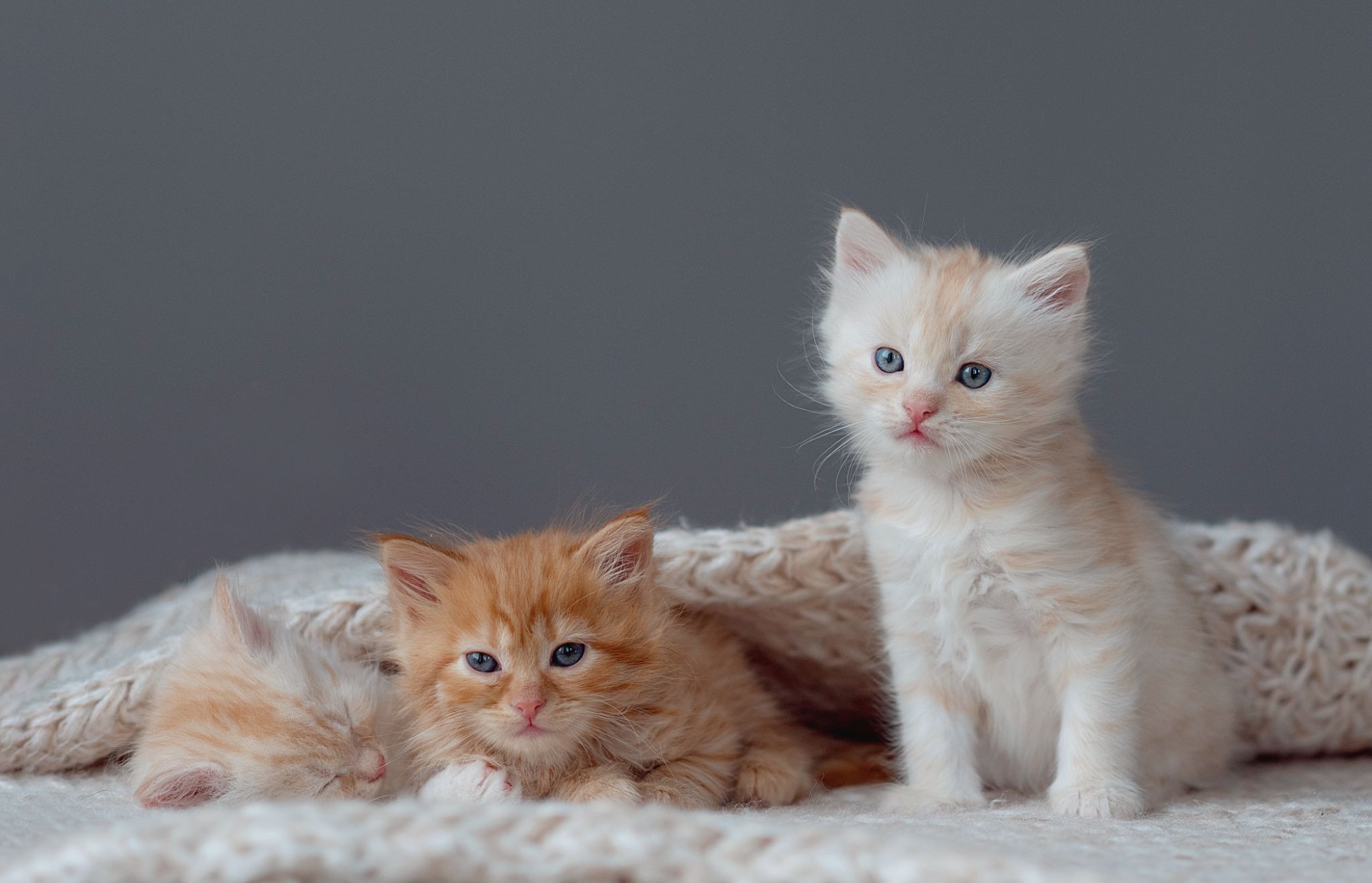
Understanding the temperament and behavior of different cat breeds is crucial for anyone considering adding a feline friend to their home. Each breed comes with its unique personality traits, which can impact how they interact with their owners and the environment. Knowing these differences helps ensure a harmonious relationship between you and your cat.
The Role of Genetics in Cat Temperament
Genetics play a significant role in determining a cat’s temperament. Just like humans, cats inherit traits from their ancestors that can influence their behavior. For instance, some breeds are known for their affectionate nature, while others are characterized by their independence. The genetic makeup of a breed can dictate how they respond to human interaction, their playfulness, and even their sociability.
For example, breeds like the Ragdoll are known for their laid-back and loving nature, making them ideal companions for families. On the other hand, breeds such as the Abyssinian tend to be more energetic and curious, requiring stimulation and engagement from their owners. Understanding these genetic influences is essential in choosing a breed that aligns with your lifestyle.
Common Temperament Traits Across Breeds
1. Affectionate vs. Independent
When it comes to temperament, some breeds are more affectionate than others. Ragdolls, for instance, are often described as “gentle giants.” They enjoy cuddling and are known to follow their owners around the house. Their loving nature makes them excellent companions for people who appreciate a close bond with their pets.
In contrast, breeds like the British Shorthair tend to be more independent. While they can be affectionate, they also appreciate their alone time. This breed is perfect for individuals who may not be home all day but still want a loving cat. Understanding whether you want a cuddly companion or a more independent pet can guide your breed choice.
2. Playfulness and Energy Levels
Energy levels vary significantly among cat breeds. Some cats are natural athletes with a playful spirit. Bengals, for example, are known for their high energy and love for interactive play. They thrive in environments where they can climb, jump, and explore, making them ideal for active families.
On the other hand, breeds like the Persian are more laid-back. They prefer lounging around and enjoy a quieter lifestyle. If you’re looking for a cat that enjoys being a couch potato, a Persian might be the perfect fit. Recognizing these energy differences can help you find a breed that matches your lifestyle.
Socialization and Interaction Styles
1. Social Butterflies vs. Solitary Cats
Some breeds are incredibly social and thrive on interaction with people and other pets. The Siamese cat, for instance, is known for its vocal nature and desire to be part of family activities. They often seek companionship and can become quite attached to their owners.
Conversely, breeds like the Norwegian Forest Cat are more solitary. They enjoy their space and may prefer to observe from a distance rather than engage in constant interaction. These differences in socialization styles are crucial to consider, especially if you have a busy household or are looking for a more independent companion.
2. Communication Styles
Communication is another area where cat breed temperament differences become apparent. Some cats are very vocal and use a variety of sounds to express themselves. Siamese cats are known for their distinctive meows, which they use to communicate their needs and desires. Their expressive nature often means they are more interactive with their owners.
In contrast, breeds like the British Shorthair tend to be quieter. They communicate more through body language and subtle gestures, making them seem more reserved. Understanding how different breeds communicate can help you respond better to their needs and create a stronger bond.
The Impact of Environment on Behavior
The environment in which a cat lives can significantly influence its behavior and temperament. Cats are creatures of habit and thrive in stable surroundings. For active breeds like Bengals and Abyssinians, a stimulating environment filled with toys, climbing structures, and interactive play is essential. Without proper enrichment, they may become bored and exhibit undesirable behaviors.
Conversely, more laid-back breeds like Persians may adapt well to quieter settings. They often enjoy lounging in sunbeams and watching the world go by. Ensuring that your cat’s environment matches its energy level and temperament is key to a happy and well-adjusted pet.
Adapting to Family Dynamics
1. Families with Children
When selecting a cat breed for a family with children, it’s essential to choose one that is known for its tolerance and affectionate nature. Ragdolls and Labrador Retrievers are often recommended for their gentle demeanor and loving personality. They tend to be more patient with young children, making them suitable companions for families.
However, some breeds may not be as tolerant of the rough play that can come with children. Persians, for example, may prefer a calmer environment and might not enjoy the unpredictable energy of kids. It’s important to assess your family dynamics and choose a breed that will thrive in your household.
2. Multi-Pet Households
If you already have other pets, it’s crucial to consider how a new cat will fit into the existing dynamics. Breeds like Maine Coons and Abyssinians are generally known for their sociable nature and can often get along well with other pets. They tend to be adaptable and can adjust to living with dogs or other cats.
On the other hand, some breeds may be more territorial and less welcoming to newcomers. It’s important to introduce cats gradually and monitor their interactions to ensure a harmonious environment. Understanding a breed’s sociability can significantly impact how well they integrate into your home.
Training and Behavior Modification
Training a cat can be influenced by its temperament. Some breeds are more receptive to training than others. For instance, breeds like the Siamese and Abyssinian are known for their intelligence and curiosity, making them easier to train. They often enjoy interactive play and can learn tricks or commands quickly.
On the other hand, more independent breeds may require different training approaches. Patience and positive reinforcement are critical when working with a cat that may not be as eager to please. Understanding a cat’s natural behaviors and temperament can significantly enhance your training efforts.
Conclusion
Understanding cat breed temperament differences is essential for choosing the right feline companion. Each breed has its unique traits, influenced by genetics, environment, and individual personality. By considering these factors, you can ensure a happy and fulfilling relationship with your cat.
As you navigate the journey of selecting a cat, remember to align your choice with your lifestyle and family dynamics. Whether you opt for an affectionate Ragdoll or a playful Bengal, the right breed can bring joy and companionship into your home.
Frequently Asked Question
1. What factors influence a cat’s temperament?
A cat’s temperament is influenced by genetics, early socialization, environment, and individual personality. Certain breeds have innate traits, but experiences during kittenhood and interactions with humans and other pets also play a crucial role in shaping behavior.
2. How can I improve my cat’s socialization?
To improve your cat’s socialization, expose them gradually to various people, pets, and environments. Positive reinforcement, like treats and praise, can encourage friendly interactions. Start with short, controlled introductions and gradually increase exposure to build confidence and reduce fear.
3. Are certain cat breeds better for families?
Yes, some cat breeds are known for their friendly and tolerant nature, making them ideal for families. Breeds like Ragdolls and Maine Coons typically get along well with children, while others may be more independent or territorial, requiring careful consideration before adoption.
4. How do I choose the right cat breed for my lifestyle?
Consider your living situation, activity level, and family dynamics when choosing a cat breed. Research aims to understand their temperament and needs. For example, active families may prefer playful breeds, while those seeking a quieter companion might choose more laid-back cats.
5. Can I change my cat’s behavior through training?
While you cannot change a cat’s inherent temperament, training can help modify certain behaviors. Using positive reinforcement techniques, you can encourage desirable actions and discourage unwanted behavior. Consistency, patience, and understanding your cat’s personality are key to successful training.