
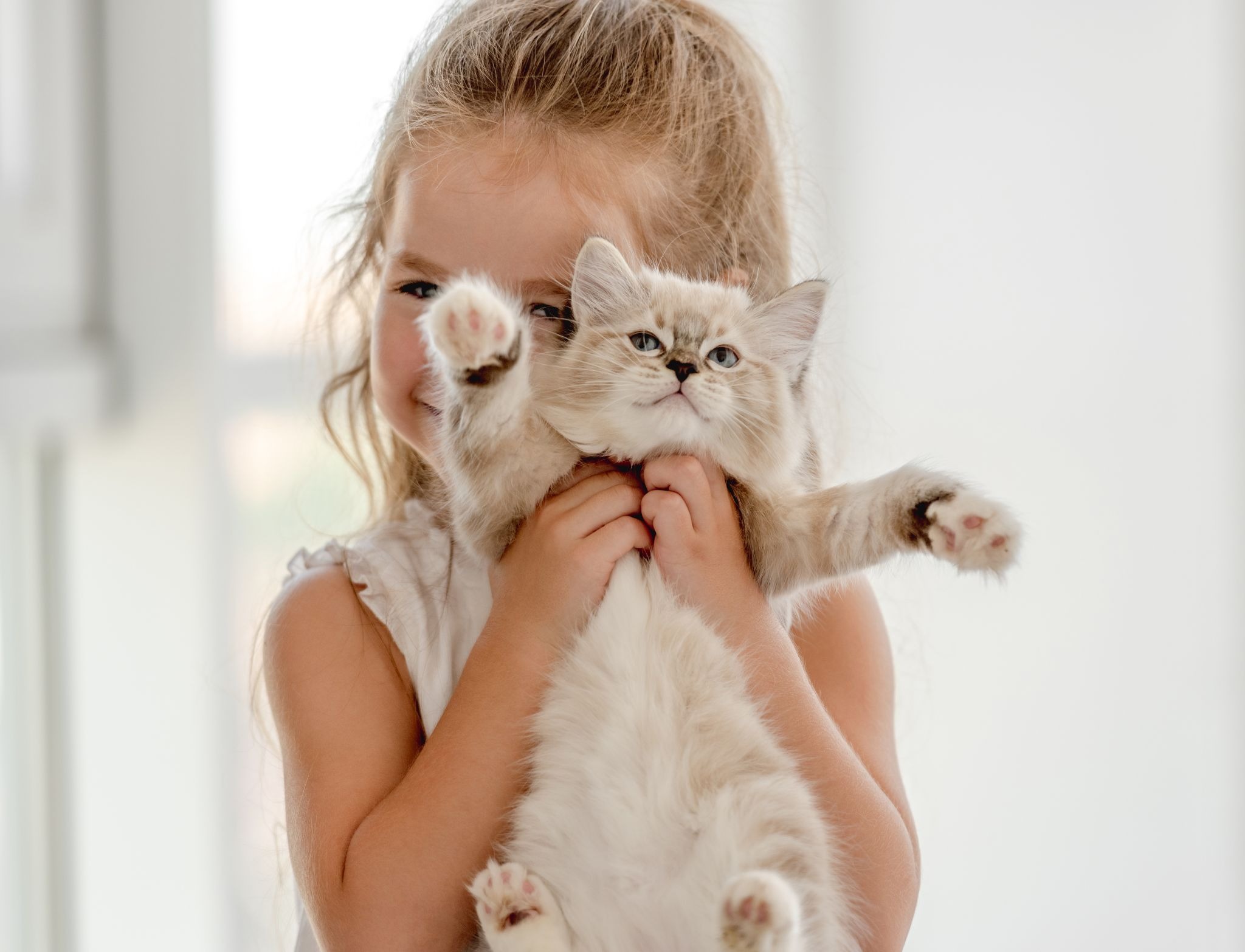
Choosing a cat for a family is more than just picking a cute kitten. The right cat breed can influence how well your pet integrates into a household with children. Temperament, energy level, sociability, and care requirements all affect whether a cat will thrive in a busy, child-focused environment. Families need pets that are not only affectionate but also patient, playful, and resilient to the noise and activity of everyday life.
Selecting a family-friendly cat is about balancing personality traits with practical considerations. Some cats are naturally gentle and tolerant, while others may require quieter environments. By understanding breed characteristics, activity levels, and grooming needs, families can make informed decisions and create a positive relationship between their children and their new feline companion. This guide highlights traits to look for in family cats, popular child-friendly breeds, and additional factors to ensure a smooth integration into your household.
Key Traits to Look for in Family Cats
When considering a cat for a family with children, certain traits are more desirable. Temperament is paramount; a cat that is affectionate, patient, and tolerant is more likely to interact positively with kids. Sociability matters as well—cats that enjoy human interaction tend to form strong bonds with family members.
Adaptability is another important factor. Children often create unpredictable environments, from loud noises to sudden movements. Cats that can adjust to these conditions without stress are better suited for family life. Patience, tolerance for handling, and a calm demeanor help cats remain relaxed in high-energy households.
Temperament and Sociability
Cats with friendly, outgoing temperaments generally thrive around children. These cats enjoy being petted, held, and included in family activities. They are less likely to respond aggressively to rough handling or overstimulation. Social breeds seek interaction, which can help children feel connected to their pets while teaching empathy and care.
Observing a cat’s temperament before adoption is critical. Even within a breed, individual personalities can vary significantly. Spending time with potential cats, asking breeders about socialization practices, and considering shelter profiles can help families select a cat with the desired social traits.
Energy Levels and Playfulness
Matching a cat’s energy level to the household is essential. Highly active cats can keep up with playful children, enjoying interactive games, chasing toys, and exploring the home environment. More laid-back cats may prefer quiet time, making them suitable for families with younger children or less active lifestyles.
Consider how indoor vs. outdoor play affects both the cat and the household. Cats that adapt well to indoor stimulation, such as puzzle feeders, climbing trees, and interactive toys, are often better suited for family homes. Ensuring that cats have outlets for energy prevents destructive behavior and supports healthy mental and physical well-being.
Popular Cat Breeds for Families
Certain cat breeds are widely recognized for their child-friendly behavior. These breeds combine affectionate personalities with patience and playfulness, making them ideal companions in family settings.
Ragdoll and Maine Coon
Ragdolls are known for their gentle, relaxed nature. They often go limp when picked up, earning their name, and are highly tolerant of handling by children. Their affectionate temperament encourages bonding, and they thrive in social environments where interaction is frequent. Ragdolls are also intelligent, making them responsive to training and interactive play, which helps children learn positive pet care skills.
Maine Coons, one of the largest domestic cat breeds, are equally patient and sociable. Their calm demeanor and friendly personalities allow them to coexist comfortably with children. Despite their size, Maine Coons are gentle and playful, enjoying games that stimulate both their physical and mental abilities. These cats are adaptable, handling the noise and activity of busy households while remaining affectionate and loyal companions.
Siamese and Burmese
Siamese cats are highly social and vocal, often forming strong bonds with all family members. Their intelligence and curiosity make them playful companions, eager to engage in interactive games. Siamese cats benefit from families that provide stimulation and attention, allowing them to thrive while fostering meaningful connections with children.
Burmese cats share many traits with Siamese but are slightly more relaxed. They are affectionate, adaptable, and enjoy participating in family routines. Their playful nature makes them excellent companions for active children, and their gentle temperament ensures they tolerate handling and social interaction without stress. Both breeds excel in environments where engagement and companionship are valued.
Low-Maintenance Family Cats
Families may prefer cats that combine child-friendly behavior with minimal grooming or care requirements. Low-maintenance cats reduce the burden on busy households while providing reliable companionship.
British Shorthair and American Shorthair
British Shorthairs are known for their calm, patient disposition. They adapt well to family life and are generally undemanding in their care. Their short, dense coats require minimal grooming, and their independent yet affectionate nature allows them to coexist comfortably with children and adults alike.
American Shorthairs are similarly adaptable. They are social without being overly demanding, and their playful yet calm demeanor makes them ideal companions for children. With low-maintenance coats and sturdy health, American Shorthairs can easily integrate into family routines while providing consistent companionship. Both breeds offer a balance of temperament, ease of care, and sociability, making them suitable choices for busy households.
Considerations Beyond Breed
While breed characteristics provide useful guidance, individual personality and prior experiences are equally important. Not all cats within a breed will exhibit identical behavior. Observing each cat’s interactions and evaluating temperament is crucial.
Age is another factor to consider. Kittens require careful supervision around children, as they are still developing social skills and motor control. Adult cats may already have established personalities, making it easier to assess suitability for family life. Early socialization is also vital; cats exposed to children and varied environments tend to be more adaptable and confident.
Introducing a cat to children should be gradual and supervised. Teaching children proper handling, respecting the cat’s space, and recognizing signs of stress prevents conflicts and encourages positive interactions. Families should create safe zones where cats can retreat if they feel overwhelmed, supporting a stress-free home environment for both pets and children.
Health and care requirements must also be considered. Cats with chronic health issues or specific grooming needs may demand more attention than a family can provide. Selecting a breed or individual cat that matches the household’s capacity ensures both the cat’s welfare and family satisfaction.
Conclusion
Choosing the best cat breed for families with children requires a balance of temperament, energy level, and care needs. Ragdolls and Maine Coons are gentle giants, ideal for interactive households, while Siamese and Burmese cats bring playful engagement and strong social bonds. British Shorthairs and American Shorthairs offer calm, low-maintenance companionship suited for busy families.
Beyond breed, individual personality, age, and early socialization influence how a cat integrates into family life. Introducing cats gradually, supervising interactions, and teaching children proper handling ensure a harmonious environment. Families that consider these factors can provide a safe, loving home while fostering meaningful connections between children and their feline companions. Selecting the right cat breed creates a foundation for lifelong companionship, joy, and mutual enrichment in family life.